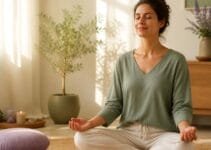
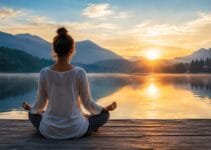
Imagine a peaceful retreat where your mind can find solace and relaxation amidst the chaos of everyday life. Guided Meditation offers a transformative experience, helping you unlock the full potential of your mind and body.
With the gentle guidance of an experienced meditation coach, you will embark on a journey of self-discovery and inner peace. Let the soothing voice lead you through mindfulness exercises, visualization techniques, and deep breathing exercises, allowing you to unwind, let go of stress, and cultivate a sense of tranquility within.
Whether you are a beginner or an experienced meditator, this article will explore the benefits and techniques of guided meditation, enabling you to enhance your well-being and achieve a state of blissful serenity.
Benefits
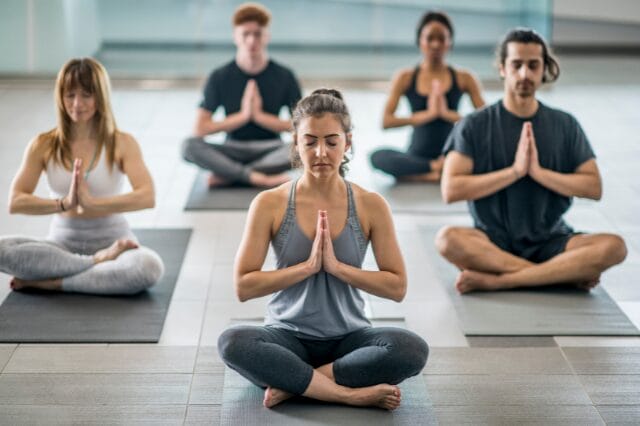
Guided meditation offers numerous benefits for improving both your mental and emotional well-being. One of the most significant advantages is the reduction in stress and anxiety levels. By following a practice, you can learn to calm your mind and relax your body, which in turn helps to alleviate the symptoms of stress and anxiety.
Moreover, it enhances focus and concentration. Through the guidance of a meditation instructor or app, you are able to redirect your attention to the present moment, sharpening your ability to stay focused on tasks and increasing your productivity.
Another benefit is its ability to enhance self-awareness. By practicing meditation regularly, you become more attuned to your thoughts, emotions, and physical sensations. This heightened self-awareness allows you to better understand yourself and your reactions, leading to improved decision-making and self-management.
Additionally, it promotes emotional well-being. It provides an opportunity to explore and process your emotions in a safe and controlled environment. By doing so, you can develop a greater sense of emotional balance and resilience, leading to a more positive outlook on life.
Finally, GM has been shown to enhance creativity and problem-solving skills. By quieting the mind and allowing new ideas to flow, you can tap into your creative potential and find innovative solutions to challenges you may be facing.

Types Of Practices
There are various types of guided meditation practices that you can explore. One popular method is the body scan meditation, in which you focus your attention on different parts of your body, progressively relaxing each area.
Loving kindness meditation is another type that involves cultivating feelings of love, compassion, and kindness towards yourself and others. It is a powerful practice that can help foster empathy, gratitude, and emotional connection.
Visualization meditation involves using your imagination to create vivid mental images. By visualizing yourself in a peaceful and positive scenario, you can evoke feelings of relaxation and happiness.
Lastly, mindfulness meditation focuses on cultivating a non-judgmental awareness of the present moment. It involves observing your thoughts, emotions, and sensations without attachment or reaction, which can lead to greater clarity and peace of mind.
How to Start
Starting a GM practice is simple and can be done in the comfort of your own home. Begin by finding a quiet and comfortable space where you will not be disturbed. This could be a corner in your room or a designated meditation area.
Next, choose a GM method that resonates with you. Consider your goals and preferences, whether it is body scan meditation, loving kindness meditation, visualization meditation, or mindfulness meditation.
To ensure that you don’t exceed the desired time for your meditation session, set a timer. This will help you stay focused and avoid getting anxious about how much time has passed.
When you’re ready to begin, get into a relaxed position, either sitting or lying down. It’s important to find a posture that is comfortable yet alert, allowing you to maintain a sense of wakefulness and relaxation.
Finally, follow the guidance of the meditation instructor or app. Listen to their instructions and allow yourself to fully immerse in the practice. As you progress, you may find it easier to let go of distractions and fully engage in the meditation experience.
Apps and Websites
With the increasing popularity of guided meditation, there are now several apps and websites dedicated to providing guided meditation sessions. These platforms offer a range of options to suit different preferences and needs. Here are some popular ones:
- Headspace: Known for its user-friendly interface and diverse range of GM programs, Headspace provides both beginners and experienced meditators with a wide variety of options to choose from.
- Calm: Calm offers GM sessions for different goals, such as stress reduction, sleep improvement, and anxiety management. The app also provides relaxing sleep stories and soothing music to aid in relaxation and rest.
- Insight Timer: With its extensive library of GM practices, Insight Timer is a favorite among meditation enthusiasts. It offers a wide selection of guided meditations from various teachers, allowing users to explore different styles and techniques.
- The Mindfulness App: This app provides guided meditations for mindfulness, stress reduction, and compassion. It also offers reminders to help incorporate mindfulness into daily life and track progress along the way.
These apps and websites are great tools to support your GM practice, providing convenience and accessibility wherever you are.
Retreats and Workshops
For those seeking a more immersive experience, guided meditation retreats and workshops can offer a deeper level of practice and guidance. These retreats and workshops provide a dedicated space and time for individuals to fully engage in their meditation practice. Some options include:
Silent Meditation Retreats: In a silent retreat, participants refrain from talking and engage in various forms of meditation for an extended period, usually ranging from a few days to several weeks. This allows for a profound exploration of one’s inner self and the opportunity to deepen one’s meditation practice.
Meditation Workshops: Workshops are shorter in duration and typically focus on specific aspects of meditation, such as breathwork, visualization techniques, or mindfulness practices. They offer a more structured approach to learning meditation and provide an opportunity for individuals to learn from experienced meditation instructors.
Yoga and Meditation Retreats: Combining the benefits of yoga and meditation, these retreats provide a comprehensive approach to well-being. Participants engage in daily guided meditation sessions alongside yoga classes, allowing for a holistic experience of relaxation, self-reflection, and physical wellness.
These retreats and workshops can be transformative experiences, providing an opportunity to connect with like-minded individuals and deepen your meditation practice.
Accessories
While guided meditation can be practiced with minimal equipment, there are certain accessories that can enhance your experience and support your posture and comfort. Here are some commonly used accessories:
- Meditation Cushions: Also known as zafus, these round cushions provide support and elevate the hips, allowing for a comfortable seated position during meditation. They help to maintain proper alignment and relieve pressure on the knees and ankles.
- Meditation Benches: These benches are designed to support a kneeling posture during meditation. They provide a stable foundation for those who prefer not to sit cross-legged or have limited flexibility.
- Meditation Chairs: Designed specifically for meditation, these chairs provide back support and a comfortable seating surface. They are ideal for individuals who may have difficulty with cross-legged or kneeling positions.
- Meditation Blankets: Blankets offer additional comfort and warmth during meditation, especially in colder environments. They can be used to support the knees, cover the body, or create a cozy and nurturing space.
These accessories can help create a conducive environment for your meditation practice, ensuring that you can sit comfortably for longer periods and maintain a focused and relaxed state of mind.
Music and Soundtracks
Music and soundtracks can greatly enhance the meditative experience by providing a soothing and calming atmosphere. Here are some popular options:
- Calming Instrumental Music: Soft instrumental music, such as classical, ambient, or instrumental covers of popular songs, can create a serene environment that promotes relaxation and concentration.
- Nature Sounds: The sounds of nature, such as rain, ocean waves, or birdsong, can transport you to a peaceful and natural setting. These sounds can help you feel connected to the earth and provide a sense of tranquility.
- Binaural Beats: Binaural beats involve playing two slightly different frequencies in each ear, creating a perception of a third frequency in the brain. This technique has been shown to induce a relaxed state and enhance focus during meditation sessions.
Experiment with different music and soundtracks to find what resonates with you and supports your meditation practice.
Script Guides
Guided meditation scripts can be a helpful tool for individuals who prefer a more structured approach to their meditation practice. These scripts provide step-by-step instructions and guidance throughout the meditation session. Here are some examples:
- Body Relaxation Script: This script guides you to relax your body by systematically focusing on each body part. It helps release physical tension and promotes deep relaxation.
- Guided Visualization Script: This script prompts you to imagine and visualize a peaceful and serene scene, engaging all your senses. It allows you to create a calming mental space that promotes relaxation and emotional well-being.
- Loving Kindness Meditation Script: This script guides you through a practice of directing loving and compassionate thoughts towards yourself and others. It cultivates feelings of kindness, empathy, and gratitude.
You can find guided meditation scripts online or in books dedicated to meditation practices. Feel free to modify them to suit your specific needs and preferences.
Benefits And Specific Goals
Guided meditation can be tailored to address specific goals or areas of improvement in your life. Here are some examples:
- Better Sleep: GM can help relax the mind and body, making it an effective tool for enhancing sleep quality and overcoming insomnia. By guiding you into a state of deep relaxation, it can calm racing thoughts and promote a restful night’s sleep.
- Stress Management: Stress is a common challenge in today’s fast-paced world, and guided meditation offers effective techniques for managing stress. By practicing GM regularly, you can reduce stress levels, release tension, and find a sense of calm amidst the chaos.
- Improved Focus: The practice of focusing your attention in GM can transfer to everyday tasks and help improve your ability to concentrate and stay present. GM enhances mental clarity and sharpens your ability to focus for longer periods.
- Increased Self-Confidence: GM can be used to cultivate self-confidence and self-esteem. By guiding you to connect with your inner strengths and positive qualities, it can help you develop a more positive self-image and belief in your abilities.
- Pain Management: GM techniques, such as visualization and deep relaxation, can be effective in managing pain. By shifting your focus away from the pain and towards relaxation and positive sensations, guided meditation can provide relief and improve overall well-being.
- Emotional Healing: GM offers a safe space for exploring and healing emotional wounds. By allowing yourself to fully experience and process your emotions, guided meditation can promote emotional healing and provide a pathway to inner peace and harmony.
Different Skill Levels
GM practices are accessible to individuals of all skill levels, from beginner to advanced. Here are some suggestions for each level:
- Beginner’s GM: As a beginner, it is best to start with shorter guided meditation sessions, typically ranging from 5 to 10 minutes. Choose a simple and easy-to-follow practice, such as mindfulness meditation, that focuses on breath awareness or body relaxation. This will help you establish a regular practice and build your foundation in meditation.
- Intermediate GM: Once you have developed a regular practice, you can explore GM that are slightly longer, ranging from 15 to 30 minutes. This allows for deeper immersion and exploration in your meditation practice. You can try different techniques, such as loving-kindness meditation or visualization, to deepen your understanding and experience.
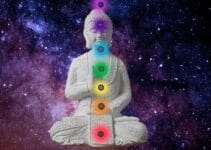
- Advanced GM: Advanced guided meditation practices often involve longer sessions, ranging from 30 minutes to an hour or more. These sessions may incorporate advanced techniques, such as energy work or chakra meditation, and require a higher level of concentration and focus. With consistent practice and an open mind, you can continue to deepen your meditation practice and experience further benefits.
Remember, the key is to listen to your body and mind, and gradually increase the duration or complexity of your BM practice as you feel comfortable and ready to do so.
Conclusion
GM is a powerful tool for reducing stress, improving focus, enhancing self-awareness, promoting emotional well-being, and cultivating creativity and problem-solving skills.
With different types of guided meditation, various resources like apps and websites, as well as accessories, music, and scripts, there are ample options available for anyone interested in incorporating guided meditation into their daily routine.
Whether you are a beginner seeking relaxation or an experienced meditator aiming for personal growth, guided meditation can support you on your journey towards a more balanced and mindful life. So, take a moment, find a quiet space, and start exploring the wonderful world of guided meditation.