In the hustle and bustle of our modern lives, finding a moment of peace and tranquility can seem like an elusive goal. However, an ancient practice known as Transcendental Meditation (TM) offers a pathway to inner calm and self-discovery.
In this blog post, we will delve into the origins of Transcendental Meditation, its history, the individuals behind its inception, and the notable figures who have embraced this technique.
Additionally, we will explore the benefits and potential drawbacks of practicing Transcendental Meditation, shedding light on what makes it a unique and widely practiced form of meditation.
The Roots of Transcendental Meditation
Transcendental Meditation traces its roots to ancient Vedic traditions of India. The technique itself was formalized by Maharishi Mahesh Yogi in the mid-20th century. Born in 1918 in Jabalpur, India, Maharishi Mahesh Yogi was originally named Mahesh Prasad Varma.
After completing his degree in physics at Allahabad University, he dedicated his life to reviving the ancient practice of meditation and adapting it to suit the needs of the modern world.
The Emergence of Transcendental Meditation
Maharishi Mahesh Yogi introduced Transcendental Meditation to the world in the 1950s. His teachings emphasized simplicity and universality, making meditation accessible to people from all walks of life.
The technique gained popularity in the 1960s when the Beatles, particularly George Harrison, studied with Maharishi in India. The media coverage of the Beatles’ association with Transcendental Meditation catapulted the practice into the global spotlight.
The Technique
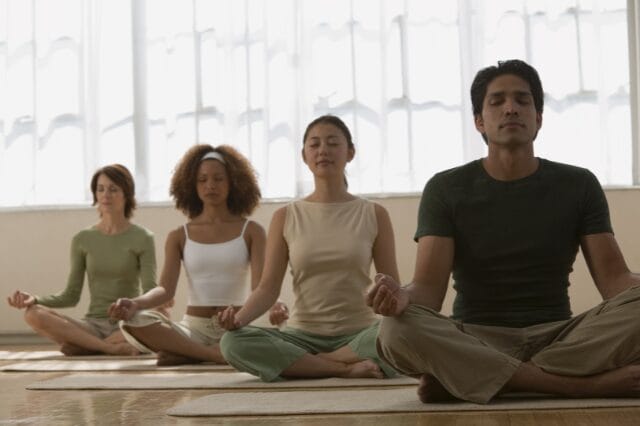
At its core, Transcendental Meditation is a simple and natural technique. Practitioners sit comfortably with their eyes closed and silently repeat a mantra, a specific sound or word assigned by a certified TM teacher.
The mantra is used as a vehicle to transcend ordinary thought and experience a deep state of restful awareness. The practice is typically done for 15-20 minutes, twice a day.
The Importance of a Certified Teacher
One distinguishing feature of Transcendental Meditation is the emphasis on learning the technique from a certified teacher. The teacher provides personalized instruction and ensures that the practitioner uses the correct mantra.
This personalized approach is believed to be crucial for the effectiveness of the practice.
Benefits of Transcendental Meditation
Over the years, Transcendental Meditation has been associated with a myriad of physical, mental, and emotional benefits. Here are some of the key advantages reported by practitioners:
- Stress Reduction: One of the most widely acknowledged benefits of Transcendental Meditation is its ability to reduce stress. Numerous studies have shown that regular practice leads to lower levels of cortisol, the hormone associated with stress.
- Improved Focus and Clarity: TM has been linked to enhanced cognitive functioning. Practitioners often report improved concentration, creativity, and clarity of thought.
- Better Emotional Well-being: Transcendental Meditation has shown promise in alleviating symptoms of anxiety and depression. The practice is associated with a more positive mood and increased emotional stability.
- Enhanced Physical Health: Research suggests that regular meditation may have a positive impact on cardiovascular health. Lower blood pressure and reduced risk of heart disease are among the potential benefits.
- Increased Energy and Vitality: Many individuals who practice Transcendental Meditation report higher levels of energy and vitality. The deep rest obtained during meditation is believed to rejuvenate the mind and body.
Notable Practitioners
Transcendental Meditation has attracted a diverse group of practitioners, including notable celebrities who credit the practice with contributing to their success and well-being. Some of these individuals include:
- Oprah Winfrey: The media mogul has been an advocate for Transcendental Meditation for years. She has spoken openly about the positive impact it has had on her life and the lives of those around her.
- Ellen DeGeneres: The popular talk show host incorporates Transcendental Meditation into her daily routine to manage stress and stay focused.
- Hugh Jackman: The acclaimed actor has credited Transcendental Meditation with helping him find balance in his busy life and maintain mental clarity.
- Katy Perry: The pop sensation has spoken about using Transcendental Meditation as a tool for grounding herself and staying centered amid the demands of her career.
- Jerry Seinfeld: The legendary comedian has been practicing Transcendental Meditation for decades and attributes his success and creativity to the practice.
The Path to Proficiency
Becoming proficient in Transcendental Meditation involves commitment and consistency. Here are the key steps in the journey toward mastery:
- Find a Certified Teacher: The first step is to locate a certified Transcendental Meditation teacher. These instructors have undergone extensive training to ensure they can provide proper guidance to practitioners.
- Receive Personalized Instruction: In a one-on-one session, a certified teacher will provide personalized instruction, including the assignment of a specific mantra. This step is crucial for the effectiveness of the practice.
- Regular Practice: Consistency is key in mastering Transcendental Meditation. Practitioners are encouraged to meditate twice a day, ideally in the morning and evening, to experience the full range of benefits.
- Attend Follow-Up Sessions: Certified teachers often offer follow-up sessions to address any questions or challenges that may arise during the practice. These sessions contribute to the ongoing growth and refinement of the meditation experience.
Cons of Transcendental Meditation
While Transcendental Meditation has gained widespread acclaim, it’s important to acknowledge that it may not be suitable for everyone. Here are some potential drawbacks and criticisms associated with the practice:
- Cost: Learning Transcendental Meditation typically involves a fee for instruction. Some critics argue that this commercial aspect limits accessibility to those who may benefit most from the practice.
- Lack of Transparency: The specific techniques and mantras used in Transcendental Meditation are kept confidential. Some individuals find this lack of transparency concerning, as it deviates from the more open sharing of techniques in other meditation practices.
- Religious Connections: While Transcendental Meditation is often presented as a secular practice, its roots in Vedic traditions may deter those who prefer a completely secular or non-religious approach to meditation.
- Effectiveness Skepticism: While many practitioners swear by the benefits of Transcendental Meditation, some skeptics argue that the scientific evidence supporting its efficacy is not as robust as claimed by its proponents.
Conclusion
In conclusion, Transcendental Meditation stands as a time-tested technique with roots in ancient traditions and a modern twist. Maharishi Mahesh Yogi’s vision of making meditation accessible to people worldwide has undoubtedly left an indelible mark on the way individuals approach stress, creativity, and overall well-being.
The practice has gained a celebrity following, with notable figures attesting to its positive impact on their lives.
However, it’s crucial to approach Transcendental Meditation with an understanding of both its benefits and potential drawbacks. While research supports many of the reported advantages, the commercial nature of learning the practice and the confidential aspects may not resonate with everyone.
As with any form of meditation, the key lies in finding a practice that aligns with one’s personal values and preferences.